Wednesday, 15 July 2026

Why the new UK homebuying reforms matter to developers, landlords and refinancing deals

The UK homebuying process is changing, and that matters well beyond the headlines. If you buy, refurbish, develop or refinance property, the main issue is not whether the reform sounds sensible in principle. It is what it does to timeframes, fall-through risk, buyer confidence, valuation evidence and your exit assumptions.

Government guidance says the homebuying shake-up is intended to cut delays, reduce costs and stop sales falling through, with a target of making the process faster and more transparent. It also says new sales packs, earlier binding agreements and digital tools are meant to reduce abortive transactions and improve the information buyers receive upfront.

Why the new UK homebuying reforms matter to developers, landlords and refinancing deals

For property investors, that is not just a consumer story. A smoother sale process can change the economics of a deal. Faster completions can improve cash flow, reduce bridging exposure and make a marginal exit look safer. But implementation friction is still possible, especially while the market adjusts to new processes. And even if the system becomes more efficient, it can also raise the bar on due diligence, because buyers will expect cleaner information earlier and will be less forgiving where a title issue, leasehold problem or missing document appears late.

Why this is commercially relevant

If you are relying on a sale to clear a bridging loan or release development profit, speed matters. Every extra month in the system adds holding cost, interest, agent fees and the risk that market sentiment shifts before you complete. If the process genuinely becomes more front-loaded, you may get a better run from offer to completion, but only if your paperwork is ready before the market turns serious. That means title, planning history, warranties, service charge information, tenancy documents and any leasehold details need to be organised earlier than many sellers currently do.

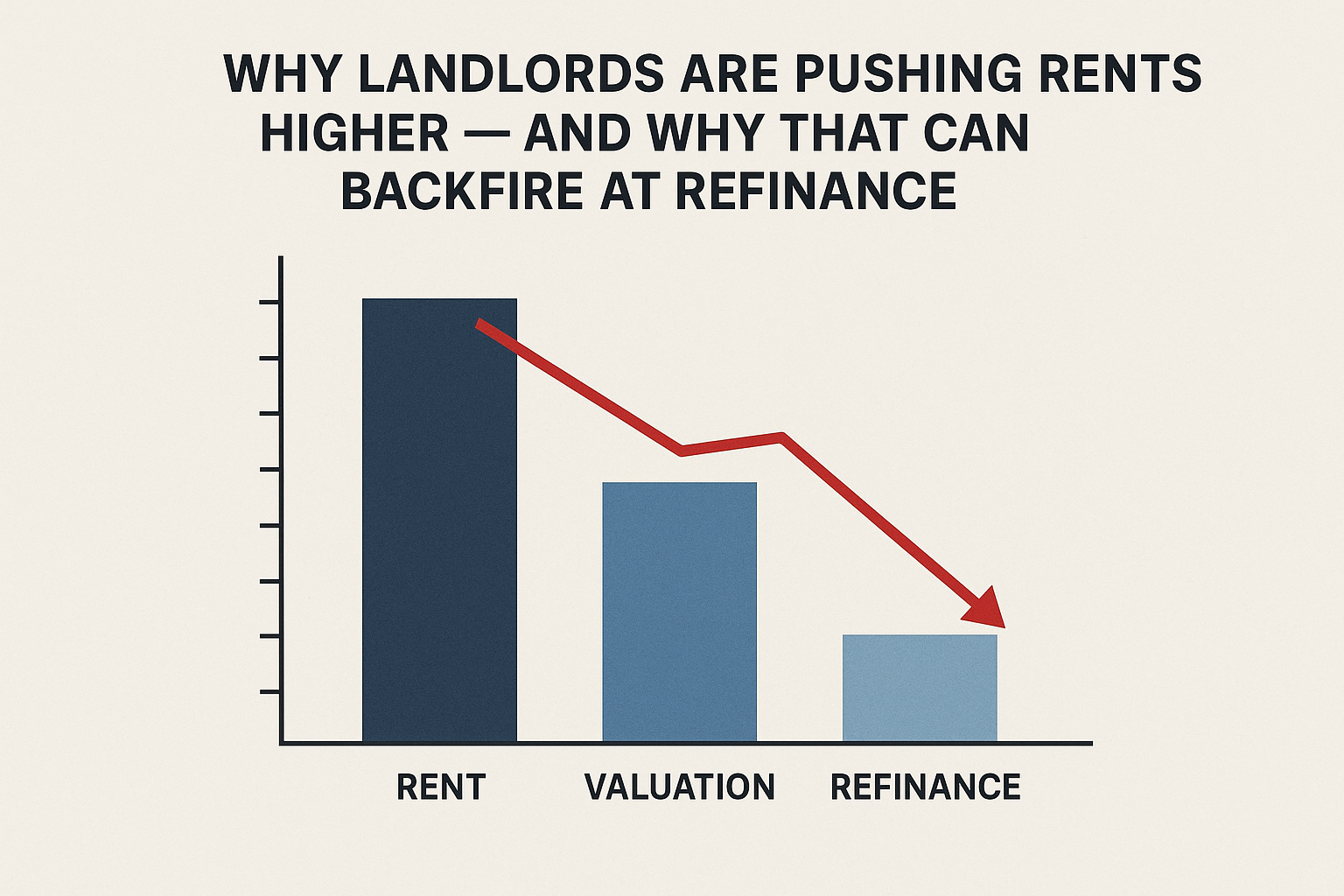
The practical effect for developers is straightforward: a cleaner exit is often more valuable than a slightly higher asking price with a weak chain. For landlords, the same logic applies. If you are selling a tenanted asset, a more transparent sales process may improve buyer confidence, but only if the tenancy and compliance file is tidy. If you are refinancing, the lender will still care about the fundamentals. Better market plumbing does not rescue a weak asset or an unrealistic valuation.

What changes in the deal appraisal

This is where experienced investors should be doing the maths. If sales can be achieved more quickly, your appraisal should test a shorter disposal period and a lower level of transactional friction. That may justify a firmer view on cash flow and reduce the contingency needed for extended marketing. But do not let a promise of efficiency replace a realistic exit assumption. A seller’s expectation of a quick sale is not the same thing as a buyer’s ability to complete on time.

The key question is whether the reform improves certainty enough to influence financing decisions. If you are funding a small development with a refinance-led exit, a more transparent transaction process could strengthen the case for a shorter hold period. That might help your interest cover, your debt service and your overall return. But if your scheme depends on a buyer who still needs mortgage approval, survey sign-off and legals, the last mile remains vulnerable. A slicker system reduces friction; it does not eliminate it.

There is also an important lender angle here. If the market becomes more data-rich and more process-driven, slower or less organised sellers may start to look more awkward in underwriting terms, even where the asset itself is sound. That does not mean every slow transaction is a bad one. It does mean presentation, paperwork and timing matter more, not less.

Where the opportunity sits

The best opportunity is likely to be in better packaging. Sellers, developers and landlords who can present a property properly may see less pushback, fewer renegotiations and fewer fall-throughs. That can make a real difference to a deal that is already close to the line. In practice, stronger information flow can favour the organised operator over the casual one.

For investors sourcing off-market or through estate agents, this could also alter negotiation dynamics. If buyers can inspect more of the relevant information earlier, some of the old tactics around keeping issues vague until later may stop working as well. That means a well-prepared buyer may be able to move faster and be taken more seriously, especially where the seller wants certainty rather than a slightly higher but more fragile offer.

The risk most people will miss

The hidden risk is that a faster process may expose weak deals sooner. That is not necessarily bad, but it matters. If you are relying on optimistic assumptions about rent, resale values or refinance timing, a more transparent market can make those assumptions easier for others to challenge. Buyers, valuers and lenders are likely to have more information earlier, and that can sharpen scrutiny rather than soften it.

There is also a valuation point. Valuers do not simply price the story; they price evidence. If the new process creates better data on condition, leasehold costs and chain status, it may improve the quality of comparable evidence over time. That could help sensible transactions, but it may also make inflated asking prices harder to defend. In other words, better transparency can support the market, but it can also expose fantasy pricing.

What to check before you rely on it

If you are using this change to support a buying, selling or refinancing strategy, check the deal from the lender’s and buyer’s point of view, not just your own. Make sure the title pack is complete, leasehold information is clean, EPC and compliance documents are available, and any planning or building control history can be produced quickly. If there is tenant occupation, be clear about possession timing and the legal route to deliver vacant possession if that matters to your exit.

You should also stress-test your hold period. If the hoped-for sale takes a month longer than expected, what happens to the bridge? If the refinance lands later, what does that do to cash flow? If the buyer renegotiates after reading the sales pack, does the deal still work? These are not theoretical questions. They are the questions that decide whether a profitable-looking transaction actually returns capital on time.

For landlords, the point is similar. A better homebuying process may make disposals easier, but it does not remove the need to think about rent, compliance and exit route. If you are planning to sell part of a portfolio, the asset with clean paperwork, good presentation and straightforward title will usually be the one that moves first.

The commercial takeaway

The reforms are worth watching because they may improve certainty, reduce fall-through risk and shorten the path from offer to completion. That is useful for anyone financing a deal, refinancing an exit or trying to release capital from an asset. But the real advantage will go to the people who prepare early and present properly. Faster markets do not reward sloppy execution.

If you are reviewing a deal now, do not just ask whether the process will become easier. Ask whether your own file is strong enough to benefit from it. A quicker system is useful. A cleaner, better-packaged deal is better.

Sources & further reading

Sources used:

Thursday, 2 July 2026

A 3.8% House-Price Rise Is Not a Valuation Strategy

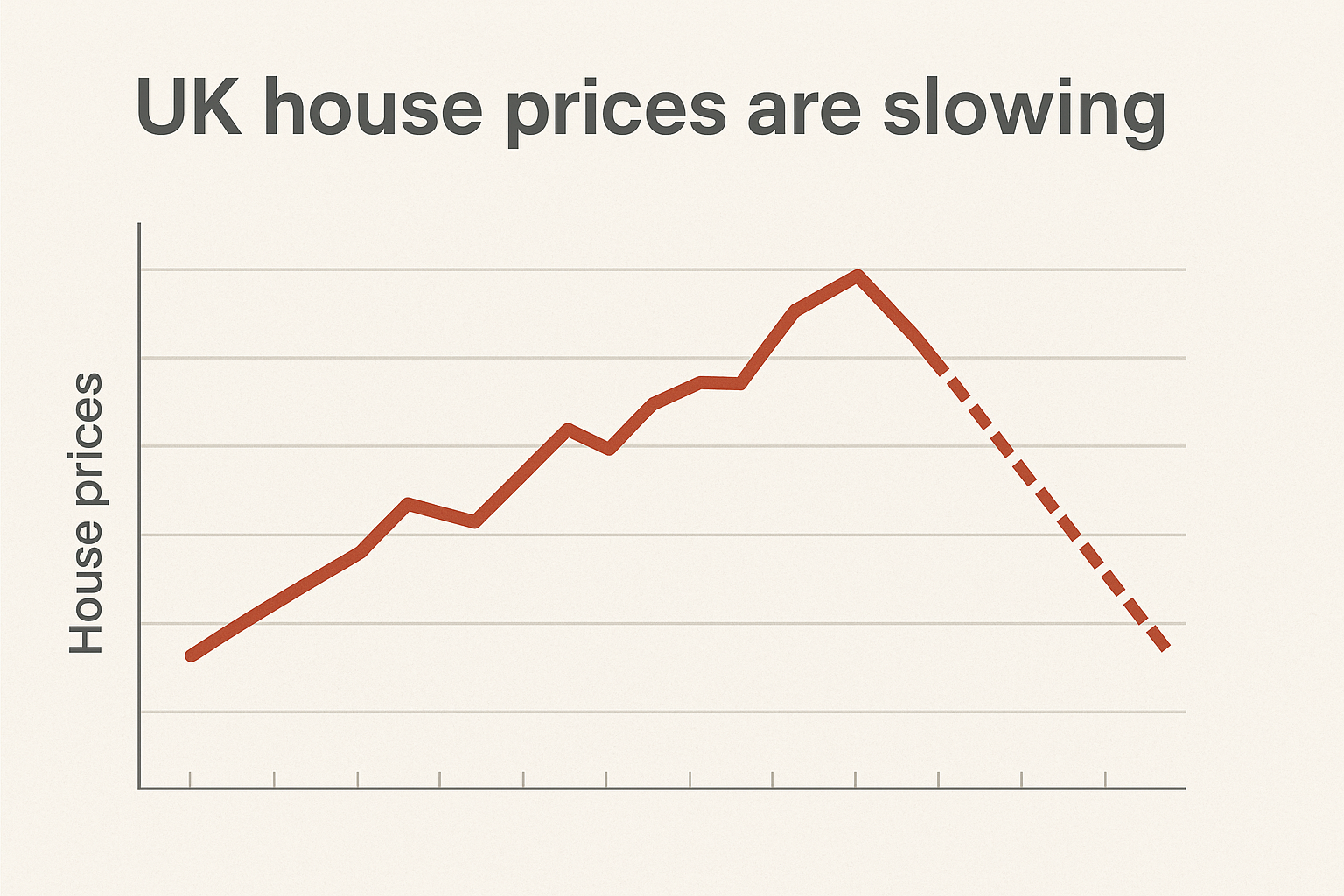
The latest UK house-price release looks encouraging at first glance: average prices were up 3.8% in the year to April 2026, taking the average UK price to £270,000. But a cautious investor should not treat that annual figure as proof that every purchase, refinance or development exit has become safer.

The Office for National Statistics has been unusually clear about why the annual rate moved so sharply. The comparison is flattered by a base effect: prices rose modestly between March and April 2026, while they fell heavily in the same period a year earlier after Stamp Duty Land Tax changes in England and Northern Ireland. In other words, the annual headline has improved partly because the starting point was weak, not simply because the market has suddenly found a higher gear.

That distinction matters whenever the deal depends on a future valuation. It matters to a landlord refinancing a short-term loan, a developer underwriting a gross development value, and a buyer assuming that today’s agreed price will look conservative by completion.

Surveyor’s valuation notes and mortgage paperwork in front of UK residential homes, illustrating the difference between annual house-price inflation and current market value.

What has actually happened?

The ONS June release reports that UK average prices increased by 0.7% between March and April 2026. That is a positive monthly movement, but it is not the same thing as a broad-based recovery.

The annual comparison rose from 0.0% in March to 3.8% in April because April 2025 contained a 2.9% monthly fall. That earlier fall followed the 1 April 2025 SDLT changes. The maths is straightforward: remove a large negative month from the 12-month comparison and the annual rate can rise sharply even when the current monthly move is modest.

The regional picture also argues against lazy conclusions. In England, annual growth was 3.9%, but London prices were still down 2.1% year on year, while the North East showed 9.9% annual growth. The ONS notes that the North East figure was also affected by the same base effect. A national average is therefore a poor substitute for local comparable evidence.

Why investors should care about the difference

Property investing is often financed against a valuation rather than a spreadsheet. A lender will not advance against an attractive national headline; it will lend against the valuer’s opinion of the particular asset, the evidence available in that locality, the tenancy or sales position, and the lender’s own policy.

This is where a deal can become fragile. An investor buys at a premium because recent annual growth sounds strong, funds works on the assumption of a higher end value, then discovers that the comparable sales used by the valuer are older, smaller, or located in a weaker micro-market. The gap may be only 5% to 10%, but that can be enough to reduce the maximum loan, force more equity into the deal, or make a planned refinance impossible.

The risk is greater where the purchase price is supported by a narrative rather than evidence: “the area is improving”, “rents are rising”, “the new station will change everything”, or “prices nationally are up nearly 4%”. Those may be reasons to investigate. They are not valuation evidence.

A subdued market can still produce rising annual figures

The latest RICS Residential Survey provides useful context. Its May survey described buyer demand and agreed sales as remaining in negative territory. Surveyors also reported that transactions were taking longer, with the average time from listing to completion at 21.5 weeks. RICS said it would be premature to call the stabilisation in some indicators the start of a recovery.

That does not mean there are no good deals. It means pricing discipline matters more. In a slow market, an accurately priced house can sell while an ambitious one sits. For an investor, that creates two separate underwriting questions:

  • What is the property worth to a prudent buyer today, based on achieved local comparables?
  • How long and at what cost could the project be held if the intended exit takes longer than expected?

The first is a valuation question. The second is a cash-flow and liquidity question. Both need answers before an offer is made, not after the works have started.

Do not let slower rent growth fill the valuation gap

Rents remain an important support for many buy-to-let deals, but the latest figures do not justify assuming that rental growth will automatically rescue a thin yield. Average UK private rents increased by 3.3% in the year to May 2026, down from 3.5% the previous month. England was up 3.4%, Wales 4.7% and Scotland 1.0%.

Those are still meaningful rises, but the direction is slower. At the same time, the Bank of England held Bank Rate at 3.75% in June and noted uncertainty around energy prices and inflation. Borrowing costs faced by households and businesses remain higher than before the recent energy shock.

For a landlord, the practical point is that the yield model should work at the rent that is achievable now, not only at the rent hoped for on reletting. For a developer converting to hold, it should work after realistic letting costs, voids, compliance spend, management, maintenance and interest cover are applied.

Four checks before relying on a future valuation

  • Use sold comparables, not asking prices. Check recent completed sales, then adjust for condition, tenure, size, parking, outside space and exact location. An advertised price is evidence of ambition, not proof of value.
  • Separate local evidence from national data. National and regional indices provide context. They cannot establish the end value of a particular flat, HMO, conversion or development site.
  • Stress the end value and timing. Model the project at a lower end value and a longer sales or refinance period. Include the additional interest, council tax, insurance, utilities and contractor exposure that the delay creates.
  • Speak to the intended lender early. Ask about its current maximum loan-to-value, rental-stress approach, property-type restrictions and valuation assumptions. The product that worked on the last deal may not fit this one.

The opportunity is in realism, not the headline

A higher annual house-price figure may improve confidence at the margin, but it does not remove exit risk. The better opportunities in a hesitant market often come from vendors who need certainty, buyers who can prove finance, and projects with enough margin to survive a cautious valuation.

Before relying on the 3.8% figure in an appraisal, ask a more useful question: if the valuer ignores the national headline and looks only at the best three local comparables, does the deal still work? If the answer is no, the issue is not the market data. It is the price being paid or the amount of risk being carried.

What evidence would your lender’s valuer use to support the end value today?

Thursday, 19 September 2024

UK Property Market: The Autumn Outlook for Investors in 2024

As we head into the autumn of 2024, the UK property market is facing a unique set of challenges and opportunities for investors. From evolving legislation to shifting market dynamics, this season could significantly impact your investment strategy. Here’s a current look at the key factors that could shape your property portfolio in the coming months.

1. Landlords Selling Up Due to Market Conditions

Recent reports indicate that some landlords are choosing to sell their properties, citing difficulties in maintaining profitability due to rising interest rates, increased regulation, and a tightening rental market. This trend could lead to a shift in the market dynamics, offering potential opportunities for investors looking to expand their portfolios. However, it also raises questions about the long-term sustainability of buy-to-let investments in certain regions.


2. Demand Outstripping Supply: Rental Stock Shortage

One of the prevailing trends this autumn is the continued shortage of rental properties. The imbalance between supply and demand has driven rents higher, particularly in urban areas. This presents a dual-edged sword: while it means higher rental yields for existing landlords, it also makes it harder for tenants to find affordable housing. Investors should be mindful of this dynamic when setting rental rates and consider how it might influence tenant retention.

3. Mortgage Rates and Financing Challenges

The ongoing rise in interest rates has made financing more expensive, affecting both new investors and those looking to remortgage. Lenders have become more cautious, often requiring larger deposits and stricter affordability checks. For investors, this means a careful evaluation of financing options is essential to ensure that properties remain cash-flow positive in a higher-rate environment.

4. Regional Shifts in Investment Hotspots

While London has traditionally been the focus of property investment, regional cities like Manchester, Birmingham, and Bristol continue to attract attention due to their relative affordability and strong rental demand. Investors are increasingly looking beyond the capital for higher yields and growth potential. This autumn, keep an eye on regional markets that offer a balanced mix of affordability, rental demand, and growth prospects.

5. Energy Efficiency Regulations

New energy efficiency regulations set to come into effect soon will require rental properties to meet higher standards. Properties with low energy performance certificates (EPCs) may need costly upgrades to remain legally rentable. Savvy investors are already factoring in these potential costs when evaluating new acquisitions or making improvements to their existing properties. This presents an opportunity to future-proof investments by focusing on energy-efficient homes that align with upcoming regulations.


Strategic Takeaways for Investors This Autumn

  • Evaluate Portfolio Sustainability: With increased regulation and market pressures, consider reviewing your portfolio to ensure it remains profitable and compliant with upcoming legislation.
  • Adapt to Financing Changes: If you're looking to expand or refinance, stay updated on mortgage trends and explore different financing options to maintain cash flow.
  • Explore Regional Markets: Diversifying into emerging hotspots can offer better yields and growth potential compared to more saturated markets.
  • Plan for Energy Upgrades: Be proactive about improving the energy efficiency of your properties to meet future regulatory requirements.

Staying ahead of these autumn trends will help you make informed decisions, ensuring that your property investments continue to thrive in a changing market landscape.

Monday, 16 September 2024

The Renters' Rights Bill: What Every UK Landlord Needs to Know Now


The UK rental market is on the brink of significant change with the proposed Renters' Rights Bill. This reform aims to address long-standing concerns about tenant security and housing standards, but what does it mean for landlords? Let's dive into the key elements of the bill and its potential impact on your property investment strategy.


1. Ban on "No-Fault" Evictions

One of the most significant changes proposed is the ban on "no-fault" evictions (Section 21). While this move aims to provide tenants with greater security, it shifts the power dynamic in the rental market. Landlords will need to provide "robust grounds" for eviction, which could lead to more stringent tenancy agreements and an increased likelihood of legal disputes.

2. Introducing Awaab’s Law to the Private Sector

The bill extends Awaab's Law, requiring landlords to address serious hazards like damp and mold promptly. Failure to comply could result in fines up to £7,000. This means landlords must be more proactive in property maintenance to avoid legal and financial repercussions.

3. The Decent Homes Standard

For the first time, the Decent Homes Standard will apply to the private rented sector. Landlords will be required to ensure properties meet a minimum standard, including adequate heating and insulation. This could mean upfront costs for property improvements, but it also presents an opportunity to attract quality tenants and reduce long-term vacancy rates.

4. In-Tenancy Rent Increase Restrictions

The bill proposes a cap on in-tenancy rent increases, aligning rent adjustments with inflation rather than market rates. While this aims to protect tenants from sudden rent hikes, it could also limit landlords' ability to respond to market changes. It’s crucial to consider how this may affect your rental income strategy over the long term.

5. Abolition of Blanket Bans on Certain Tenants

Landlords will no longer be able to implement blanket bans on tenants with children or those receiving benefits. This move ensures fair access to housing but may require landlords to adjust their risk assessments and screening processes.


What’s Next for Landlords?

The Renters' Rights Bill is still under review, with adjustments likely before it becomes law. However, its current form signals a shift toward a more regulated and tenant-friendly market. Landlords need to stay informed, review their property portfolios, and adapt their strategies to navigate this evolving landscape.


Friday, 12 July 2024

UK house prices remain subdued for third successive month


Sales average £288,455 in June but recent cuts in mortgage rates offer hope for market, says Halifax


House prices have remained “subdued” for a third month in a row, according to a leading lender, but a recent run of mortgage rate reductions is offering hopes of improvement in the market.

The average house price hit £288,455 in June, Halifax reported, down only 0.2% on the £288,931 recorded in May, as a shortage of properties kept prices high. House price growth on an annual basis remained unchanged at 1.6%.

The latest figures from the mortgage lender – which cover much of the election campaign – mark the third consecutive month that house prices have stayed relatively flat.

Amanda Bryden, the Halifax’s head of mortgages, said house prices had posted a seventh consecutive month of year-on-year growth.“This continued stability in house prices – rising by just 0.4% so far this year – reflects a market that remains subdued, though overall activity has been recovering.

“For now, it’s the shortage of available properties, rather than demand from buyers, that continues to underpin higher prices.”

She said that mortgage affordability remained the biggest challenge for new homebuyers, as well as those coming to the end of deals.

However, the prospect of the Bank of England cutting interest rates in August or September has led to a flurry of mortgage reductions this week, offering some relief to buyers and borrowers and stoking hopes of an improved picture later this year.

Earlier this week, Barclays announced that it would cut a selection of its fixed-rate mortgages by 0.27 percentage points, while Halifax lowered rates by 0.19 points and Santander cut rates by 0.16 points on Thursday.

Leeds Building Society announced that on Monday it would cut its residential mortgage rates by up to 0.15 percentage points.

Mark Harris, the chief executive of the mortgage broker SPF Private Clients, said: “With the big five lenders – Barclays, HSBC, Santander, Halifax and NatWest – reducing their mortgage rates this week, lenders continue to jostle for business as they ramp up the summer sales.”

He added said: “Those lenders who haven’t yet repriced are likely to follow suit, as long as service levels allow, which is welcome news for hard-pressed borrowers.”

Analysis by Rightmove published last month found that monthly mortgage costs for first-time buyers had increased by more than 60% since the 2019 general election. It said the average monthly mortgage payments for a typical first-time buyer was now £1,075 a month, up from £667 in 2019.

Bryden said that she expected mortgage costs to ease gradually through a combination of lower interest rates, rising incomes and more restrained growth in house prices.

Full story : https://www.theguardian.com/business/article/2024/jul/05/uk-house-prices-remain-subdued-for-third-successive-month

Monday, 8 July 2024

Will Starmer Respond? Activists Urgently Demand Rent Controls


In a blog released within minutes of Sir Kier Starmer becoming Prime Minister, activist group Generation Rent calls for rent controls.

It says: “In order to be effective, we believe the new government must limit the rent increases landlords can impose to tenants stay put, rather than continue to allow landlords to push rents up faster than tenants’ wages.”

The activists also want to stiffen Labour’s policies on so-called bidding wars.

Starmer spoke in broad terms during the election campaign about giving tenants the right to challenge ‘high’ rent rises, and stopping agents and landlords from effectively auctioning tenancies to the highest bidder.

But Generation Rent’s blog states: “While plans to challenge increases are welcome and bidding wars must be outlawed, any system that would allow tenants to offer so-called ‘voluntary’ offers over asking prices would undoubtedly be exploited by some landlords and letting agents to allow back-door bidding wars.”

The other Labour policies about which the group is not quibbling so far include: 

- “Immediately” abolishing Section 21 no-fault evictions;

- raising standards, including extending Awaab’s Law to the private rented sector and ensure homes meet Minimum Energy Efficiency Standards – a week after the manifesto launch, Labour committed to making sure privately rented homes have an Energy Efficiency Rating of at least ‘C’ by 2030;

- giving first-time buyers ‘first dibs’ to buy homes instead of international investors, and a permanent, comprehensive mortgage guarantee scheme, to support first-time buyers who struggle to save for a large deposit, with lower mortgage costs;

- a housebuilding target of 1.5m over five years, equivalent to 300,000 per year;

- review Right to Buy discounts and protect newly-built social housing. 

Generation Rent says that “Labour’s promises offer many welcome steps in the right direction, with many measures desperately needed in the context of record homelessness and the cost of renting crisis.”

For full info see : https://www.landlordtoday.co.uk/breaking-news/2024/7/activists-demand-immediate-rent-controls-from-starmer-government

Wednesday, 24 January 2024

Government considers introducing 1% mortgage

The government is considering introducing a 1% deposit mortgage scheme as part of Chancellor Jeremy Hunt’s upcoming March Budget, The Independent reports.

It’s typical for lenders to require a 10% deposit, while some mortgages with 5% deposits are also available.

It’s thought introducing such a product would help the Conservatives attract younger voters ahead of the next general election, which is likely to take place this year.

Mark Harris, chief executive of mortgage broker SPF Private Clients, said: “99% mortgages could be a good idea in the appropriate circumstances.

“With added stamp duty costs, a 99 per cent mortgage can look identical to a 95% mortgage for previous generations. Add in the fact that saving for a deposit while renting is practically impossible, this could be a solution.

“There are negatives to consider of course, such as finding yourself in negative equity if house prices were to fall. This would only become relevant if you needed to move but assuming gradual house price inflation and a repayment mortgage where you chip away at the balance each month, equity will be gradually created over time, reducing the loan-to-value.

“There are 100% mortgages available today – for example, Skipton Track Record, which uses the evidence of long-term rent payments as part of its affordability basis and assessment. Also, Barclays Springboard, albeit using equity in a guarantor’s house, so net loan-to-value is lower.

“Unlike 100% mortgages in the past, lenders now have more stringent assessments to perform to assess affordability and stressing. There is less risk of borrowers over-stretching themselves.

“Naysayers will no doubt focus on the fact this is a policy to increase demand for housing not supply so inevitably the effect on house prices will be upwards.”

. ADVISER NEWSBUY TO LETPROPERTY NEWSUK